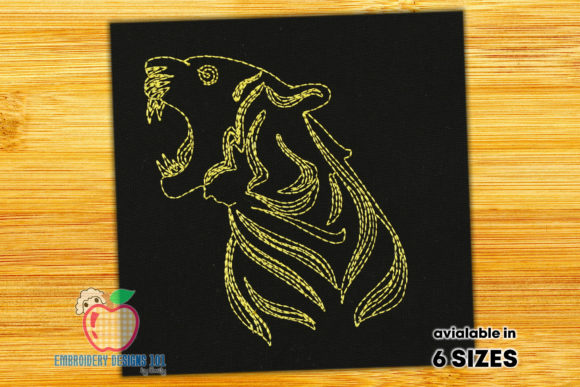
Roaring Tiger: A Bold Embroidery Review for Craft Fairs
As an embroidery designer preparing for a busy weekend at the local artisan market, my eyes are always scanning for designs that stop customers in their tracks. When I pulled up the Roaring Tiger machine embroidery design, my first impression was immediate: this is a statement piece. The description promises something "simple and exquisite" with a "fearless accent," and in the world of Wild Animals themed Embroidery, that balance is hard to strike. Many tiger designs lean too heavily into hyper-realism, which can look muddy on textured fabrics, or they become too cartoonish, losing that premium feel. Roaring Tiger seems to hit a sweet spot—bold enough to be seen from three feet away at a crowded booth, yet clean enough to look sophisticated on a high-end handmade product.
Visual Impact and Market Appeal
The mood of Roaring Tiger feels undeniably modern rustic with a touch of wild elegance. It isn't overly cute, which broadens its demographic appeal beyond just children's items. For a craft fair seller, this versatility is gold. When setting up my display table, I imagine this design acting as the anchor for a "Bold Nature" collection. On a natural linen tote bag design, the roaring face commands attention, suggesting strength and adventure. It photographs exceptionally well for online listings because the lines appear distinct even in thumbnail images, a crucial factor for any Etsy seller trying to compete in a saturated marketplace.
The "fearless accent" mentioned in the product description translates perfectly to wearable items. I can visualize this on the back of a denim jacket or the chest of a canvas apron. For apron embroidery, the design offers a unique twist; instead of the usual floral or culinary motifs, a roaring tiger adds personality for the chef who loves the outdoors. Similarly, for tea towel embroidery, it breaks the monotony of standard kitchen linens, turning a utilitarian item into a conversation starter. The simplicity of the design ensures that it doesn't get lost against patterned fabrics, making it a safe bet for batch production where you might be using various fabric scraps.
Strategic Product Placement for Maximum Sales
In a real-world booth scenario, placement is everything. Roaring Tiger shines brightest when used as a focal point rather than a tiny accent. I would prioritize placing this design on larger surface areas where the details of the roar can be fully appreciated. Here is how I would deploy it across my inventory:
- Tote Bags and Market Bags: Use a large hoop size to center the tiger. The contrast of dark thread on a light canvas bag creates a high-value perception.
- Decorative Pillow Covers: This is likely the highest margin item. A velvet or heavy cotton pillow with this design screams "luxury home decor."
- Embroidered Patches: If the design scales down well without losing clarity, creating iron-on patches allows customers to customize their own gear, increasing engagement.
- Caps and Hats: While popular, curved surfaces require caution. The roar needs to remain recognizable; if the design is too wide, it might distort on a structured cap.
- Fabric Pouches: Great for small gifts, provided the design is resized appropriately to fit the front panel without crowding the zipper.
For digital sellers, this design is a strong candidate for design assets bundles. Creating a printable mockup showing the tiger on a variety of textures helps buyers visualize the potential. However, for those selling physical goods, the tactile quality of the stitch is what seals the deal. Customers at craft fairs love to touch the stitching; if the satin stitches feel smooth and the fill areas are dense but not board-like, the perceived value skyrockets.
Production Realities and Technical Considerations
Before committing to a full run of products, practical production notes are essential. The description highlights "simple and exquisite," which usually implies manageable stitch density. However, "roaring" often involves open mouths and sharp teeth, which can be tricky. Dense stitch areas in the nose or eyes need to be checked carefully. If the density is too high on a thick fabric like a towel, the fabric might pucker, ruining the finished product. Conversely, on thin clothing fabric, too little density might show the backing material through.
When working with thread colors, contrast is key. A black or dark brown tiger on a cream background works classically, but experimenting with teal or deep orange threads could modernize the look for a younger demographic. One must also consider the fabric texture. Loop towels are notorious for swallowing small details. If Roaring Tiger has fine whiskers or tiny eye details, they may vanish on a waffle weave or looped towel. In such cases, using a water-soluble topper is non-negotiable to keep the definition crisp.
Furthermore, verify the hoop size requirements before planning your cut list. If the design requires a large hoop, you cannot efficiently gang multiple items on a single piece of fabric, which affects your production speed. For commercial embroidery operations, time is money. If the design runs long due to excessive underlay or complex fills, it might not be suitable for high-volume orders unless the price point reflects the machine time.
Designer's Checklist for Success
To ensure Roaring Tiger becomes a bestseller rather than a booth dud, I recommend following this pre-production checklist:
- Test on Scrap Fabric: Always stitch out the design on the exact material you intend to sell. What looks good on muslin might behave differently on canvas or denim.
- Check Thread Contrast: Ensure the thread colors pop against the fabric. Low contrast can make a "fearless" design look washed out and unprofessional.
- Review Spacing and Clarity: Step back six feet from your sample. Can you still identify it as a roaring tiger? If not, it may be too detailed for a small small shop product.
- Confirm Stabilizer Choice: Match the stabilizer weight to the fabric. Heavy designs on light fabric need robust support to prevent sagging over time.
- Create a Real Mockup: Don't rely solely on digital renderings. A physical sample on a tote bag or pillow convinces customers far faster than a screen image.
- Verify Licensing: Before selling any commercial embroidery items, confirm the license terms of the digital embroidery file. Ensure you have the right to sell finished goods derived from this specific asset.
Ultimately, Roaring Tiger has the potential to be a standout item in a craft fair product lineup. Its blend of simplicity and bold character makes it adaptable for everything from rustic home decor to edgy fashion accessories. By paying attention to fabric choices, stitch quality, and presentation, embroidery business owners can leverage this design to create high-margin, eye-catching items that resonate with buyers looking for something unique and fearless. Just remember, the difference between a good design and a great product lies in the execution—so stitch smart, test often, and let that tiger roar off the shelves.