Christmas Bell with Bow: A Designer's Review for Craft Fairs
As I set up my booth for the upcoming weekend market, every inch of table space needs to earn its keep. My goal is to curate a collection that stops browsers in their tracks and converts them into buyers. Today, I am putting the Christmas Bell with Bow under the microscope. This isn't just about whether the design looks cute on a screen; it is about how it performs as a tangible craft fair product. Will it pop on a dark tote bag? Does it hold up on a textured tea towel? Let's dive into the practical realities of turning this digital embroidery file into a best-selling handmade product.
First Impressions and Market Appeal
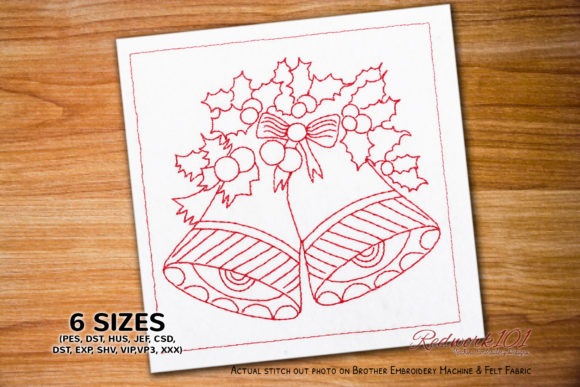
The moment I loaded the preview of the Christmas Bell with Bow, the vibe was immediately clear: festive, classic, and universally appealing. It strikes a perfect balance between traditional holiday charm and modern simplicity. It is not overly busy, which is crucial for quick visual processing at a crowded market. Customers walking past a booth have seconds to decide if something catches their eye. This design works because the silhouette of the bell is instantly recognizable, and the bow adds a touch of elegance without cluttering the composition.
For an Etsy seller or boutique maker, this versatility is gold. It feels equally at home on a rustic farmhouse kitchen towel as it does on a chic velvet pillow cover. The design avoids trendy elements that might date it quickly, ensuring it remains a staple in your design assets library for years. When evaluating it for a small shop product line, I see immediate potential for high perceived value. It looks premium, suggesting that the finished product is of high quality, even before the customer touches the fabric.
Product Versatility and Placement Strategy
In my real-world test run, I imagined this design on various substrates to determine where it shines brightest. Here is how the Christmas Bell with Bow performs across different items:
- Tote Bags and Market Bags: This is likely the strongest contender. A large version of the design centered on a canvas tote makes a bold statement. As a tote bag design, it serves as a wearable advertisement for the buyer's holiday spirit.
- Aprons and Kitchen Textiles: For apron embroidery, placing the bell near the pocket or chest area creates a focal point that doesn't interfere with utility. Similarly, tea towel embroidery benefits from the clean lines of the bell, which stand out well against linen or cotton blends.
- Caps and Patches: While possible, curved surfaces like caps require careful digitizing. If the stitch density is too high, the fabric might pucker. However, as an embroidered patch sewn onto a beanie or jacket, this design excels, offering a removable accent for customers who want flexibility.
- Pillow Covers and Home Decor: On home goods, the design acts as a seasonal refresh. It transforms a plain pillow into a holiday centerpiece, appealing to customers looking for affordable ways to decorate.
The key takeaway is scalability. The Christmas Bell with Bow maintains its integrity whether scaled down for a pouch or enlarged for a wall hanging. This adaptability allows me to create a cohesive booth display where the same motif ties together different price points, from $15 towels to $40 aprons.
Production Realities and Technical Considerations
Turning a pretty picture into a profitable inventory item requires technical scrutiny. Before running a batch of fifty aprons, there are critical factors to address regarding the machine embroidery design.
First, consider the thread colors. Holiday designs often rely on reds, greens, and golds. Ensure there is sufficient contrast between the thread and the fabric. A gold bell on a cream towel might get lost, whereas the same thread on a forest green background will sing. Always test your color combinations on scrap fabric before committing to your final materials.
Second, pay attention to stitch density and fabric texture. Thick fabrics like terry cloth towels or heavy denim can cause small details to disappear if the stitches sink in. Conversely, delicate fabrics might pucker if the design is too dense. The bow element, in particular, needs to be checked for tiny details that might not translate well on textured surfaces. If the design includes fine lettering or intricate inner details, verify that they remain clear at your intended size.
Stabilizer choice is non-negotiable. For stretchy fabrics like those used in Christmas jumpers or soft pouches, a cut-away stabilizer is often safer than tear-away to prevent distortion over time. Also, confirm the required hoop size before planning your layout. If the design is larger than your standard hoop, you may need to re-hoop or adjust your production workflow, which impacts your speed and labor costs.
Visual Impact and Buyer Engagement
In a sea of handmade goods, visual consistency builds trust. Using the Christmas Bell with Bow across multiple product types creates a branded look for your booth. It signals to the customer that you have a curated collection rather than a random assortment of items. This consistency enhances your brand identity and makes your display look professional and thoughtful.
Photography is another area where this design shines. Clean, distinct shapes photograph beautifully for online listings. When creating a printable mockup for your Etsy shop or social media ads, the clear lines of the bell ensure the image looks crisp even on mobile screens. High-quality photos of the embroidery file in action can significantly boost click-through rates and drive traffic to your physical or digital store.
Final Verdict for the Handmade Entrepreneur
The Christmas Bell with Bow is a robust choice for the holiday season. It checks the boxes for aesthetic appeal, versatility, and production feasibility. However, success lies in the execution. Do not assume the default settings of any digital embroidery file are perfect for every material. Test the design on the specific fabrics you intend to sell. Check the spacing between elements to ensure no thread breaks occur during high-speed stitching.
Furthermore, always verify commercial licensing terms before selling finished products. Just because a design is beautiful does not automatically grant the right to sell items made with it. Ensure you have the appropriate license for commercial embroidery to protect your business.
Ultimately, this design offers a cheerful accent that resonates with the holiday mood. Whether stitched on a decorative pillow, a cozy jumper, or a sturdy market bag, it has the potential to become a favorite among your customers. By paying attention to the details of production and presentation, you can maximize the return on this design asset and make your craft fair booth a destination for holiday shoppers.