Decorative Christmas Bell Redwork: A Pro Review
As an embroidery designer who has spent years digitizing and reviewing files for small business merchandise, I approach every new machine embroidery design with a critical eye. It is not just about whether a pattern looks pretty on a screen; it is about how that digital embroidery file translates into a tangible asset for a brand. Today, I am reviewing the Decorative Christmas Bell Redwork. This isn't a casual critique for home hobbyists; this is an evaluation of its potential as a core component of small business merch, branded patches, and professional apparel.
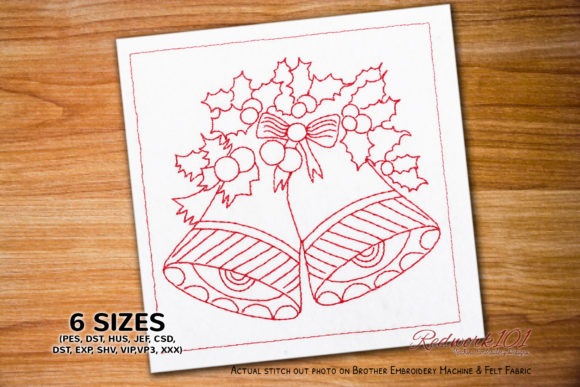
The first impression of the Decorative Christmas Bell Redwork is one of classic elegance mixed with rustic charm. The term "Redwork" immediately signals a specific aesthetic: single-color stitching, often in red, that harkens back to traditional quilting and vintage linens. For a boutique owner, a bakery, or a florist looking to elevate their holiday branding, this style offers a handmade, artisanal feel that mass-produced prints simply cannot replicate. It feels friendly yet sophisticated, making it an excellent candidate for businesses that want to project warmth and authenticity during the festive season.
Real-World Application for Branded Merchandise
When considering where to deploy this design, the versatility of the bell motif shines. For a local café or coffee shop, imagine this bell embroidered as a subtle chest logo accent on staff aprons. Unlike a large, overwhelming graphic, a redwork-style bell acts as a refined detail that says "holiday spirit" without screaming. It works exceptionally well on apron embroidery projects where the fabric texture of canvas or twill can complement the simple stitch lines.
For retail boutiques and Etsy sellers, this design is a goldmine for creating limited-edition custom apparel. A tote bag featuring the Decorative Christmas Bell Redwork becomes more than just a carrier; it becomes a seasonal statement piece. Because redwork typically utilizes lower stitch density compared to full-fill satin designs, it lays flatter on flexible fabrics like cotton totes, reducing the risk of puckering. This makes the finished product look cleaner and more professional.
Furthermore, this design is ideal for embroidered patch production. Many small businesses are moving away from direct embroidery on garments in favor of removable patches for versatility. If you were to turn this bell into a merrow-edge patch, the simplicity of the redwork lines would ensure high readability even at smaller sizes. These patches could be sold as add-ons, included in gift bags, or used to brand uniforms temporarily for the holiday rush.
Navigating Technical Challenges in Production
While the aesthetic appeal is strong, a professional review must address the technical realities of production. The description notes that "The Stitch Box shown in the picture is optional" and mentions color variations in the outer box. This is a crucial detail for any embroidery shop. Before running a production batch, you must confirm exactly what is included in the embroidery file you purchase. Is the box a separate layer? Can it be easily deleted in your editing software if you need a standalone bell for a tiny pocket logo?
Caution is advised when applying this design to curved surfaces, such as the front of a cap. Cap embroidery requires careful consideration of push and pull factors. While redwork is generally lighter, the continuous lines of a bell shape can distort if the fabric is not properly stabilized. Always test the design on a scrap piece of the actual cap material first. Additionally, if you are working with dark uniforms, remember that traditional redwork relies on high contrast. Ensure your thread colors are vibrant enough to pop against navy, black, or forest green backgrounds. A dull red thread on a dark shirt will vanish, killing the visual impact.
Another area requiring attention is the size scaling. If a client requests this bell for a very small label or a sleeve detail, you must verify the minimum viable size. Fine lines in redwork can merge or break if scaled down too far. It is essential to check the hoop size compatibility and ensure the digitizer has accounted for small-scale clarity. If the file formats or specific dimensions are not clearly provided in the product listing, do not guess. Contact the seller or request a sample stitch-out before committing to a large order.
Elevating Brand Identity and Customer Trust
In the world of small business, perception is reality. Using a cohesive, high-quality design like the Decorative Christmas Bell Redwork contributes significantly to brand identity. When a customer receives a package with a beautifully embroidered tag or opens a gift bag adorned with this bell, it signals attention to detail. It tells the customer that the business values quality and has invested in unique design assets rather than generic clipart.
This level of professionalism builds trust. A handmade product labeled with a custom embroidered mark feels more premium and valuable. For event merch, such as a holiday market or a pop-up shop, having consistent branding across tote bags, shirts, and packaging creates a memorable experience. The visual consistency provided by using a single, well-executed motif helps customers recognize your brand instantly.
Moreover, this design encourages buyer engagement. In the age of social media, aesthetically pleasing merchandise gets shared. A stylish bell emblem on a trendy tote bag is "Instagrammable," providing free marketing for your shop. It transforms a standard transaction into a brand interaction.
Essential Designer Notes for Commercial Use
Before integrating the Decorative Christmas Bell Redwork into your commercial workflow, follow these practical steps to ensure success:
- Test in Black and White First: Convert your preview to grayscale to check the contrast and line definition without the distraction of color. This helps identify potential spacing issues.
- Verify Patch Viability: If making patches, ensure the design holds up at the intended diameter. Check if the "optional box" interferes with the merrow border.
- Review Thread Contrast: Select thread colors that offer maximum visibility against your specific fabric choices. Don't rely on default color maps.
- Inspect Spacing and Density: Look closely at the stitch paths. Are there areas where stitches are too close together, which could cause bird-nesting? Is the underlay sufficient for the fabric texture?
- Confirm Hoop Size: Ensure the design fits within your machine's hoop capabilities, especially if you are working with smaller hoops for cuffs or collars.
- Test on Real Fabric: Never judge a file solely on a screen. Stitch it out on the actual material you intend to use, complete with the proper stabilizer.
- Create a Printable Mockup: Before showing it to a client, create a realistic printable mockup to visualize the final look on the garment.
- Check Commercial Licensing: This is vital. Confirm that the license allows for unlimited physical goods sales if you are producing merchandise for resale. Do not assume; read the terms.
In conclusion, the Decorative Christmas Bell Redwork holds significant promise for small businesses looking to add a touch of holiday elegance to their offerings. Its vintage appeal and versatile nature make it suitable for everything from staff uniforms to customer gifts. However, like any professional tool, its success depends on proper preparation, technical testing, and a clear understanding of the file's limitations and options. By treating this design with the rigor it deserves, you can transform a simple digital file into a powerful asset for your brand this Christmas.