Review: Decorative Christmas Tree Ornament Design
As an embroidery designer preparing for the upcoming holiday craft fair circuit, my table strategy is everything. I am not just stitching; I am curating a collection that needs to stop shoppers in their tracks. Among the sea of tote bags, aprons, tea towels, and pillow covers I plan to display, one specific machine embroidery design has caught my eye during the pre-production phase: the Decorative Christmas Tree Ornament. This isn't just a digital file; it is a potential bestseller for my booth if executed correctly. Here is my honest, professional review of how this design performs in the real world of handmade sales.
First Impressions and Aesthetic Appeal
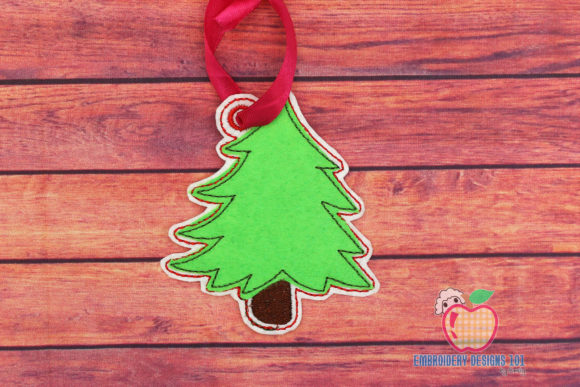
When I first loaded the preview of the Decorative Christmas Tree Ornament, the immediate feeling was one of festive charm without being overly cluttered. In the crowded market of holiday goods, customers often oscillate between wanting something rustic and farmhouse-style or something modern and minimal. This design strikes a balance that feels decorative yet approachable. It reads as a "finished product" even before it is stitched, which is crucial for impulse buys at a craft fair.
The visual weight of the design suggests it would work beautifully as a focal point on smaller items. Unlike massive back-piece designs that dominate a jacket, this ornament style implies delicacy and precision. For an Etsy seller or boutique maker, this aesthetic translates well into high-quality printable mockup images, allowing you to showcase the texture of the stitches against various fabric backgrounds before you even hoop the first thread.
Versatility Across Product Lines
The true test of any embroidery file is its adaptability. Can it survive on a thick towel? Does it get lost on a busy tote bag? The Decorative Christmas Tree Ornament shines here because of its contained nature. Since the product description notes it is an In The Hoop project fitting a 4x4 hoop, it is inherently designed to be a standalone item or a precise accent.
- Tote Bags and Market Bags: Placed centrally on a canvas tote, this design acts as a perfect holiday statement. It is large enough to be seen from a distance but small enough not to overwhelm the bag's utility.
- Aprons and Tea Towels: For kitchen-themed handmade products, this design is ideal. On an apron, it works well near the pocket or chest area. On tea towels, the 4x4 footprint is standard and sells quickly as giftable sets.
- Patches and Pouches: Because it is an In The Hoop construction, it essentially creates its own finished edge. This makes it perfect for creating embroidered patches that can be ironed onto caps or sewn onto small fabric pouches.
- Pillow Covers: While a single ornament might look small on a large pillow, clustering three of them in a vertical line creates a stunning, custom small shop product that commands a higher price point.
Production Practicality for Craft Fairs
When you are running a booth, time is money. The inclusion of a step-by-step tutorial in PDF format is a significant plus for production planning. It reduces the guesswork, ensuring that every unit produced meets a consistent quality standard. For commercial embroidery runs where I need to churn out dozens of units before the weekend rush, knowing the workflow is documented helps me train assistants or streamline my own process.
The 4x4 hoop size requirement is another practical victory. Most home-based business owners have access to a 4x4 hoop, meaning you don't need industrial-sized machinery to produce these. This lowers the barrier to entry for batch production. You can run multiple hoops simultaneously on smaller machines, maximizing your output of finished ornaments, patches, or appliqués.
Visual Impact and Customer Engagement
In a physical booth setting, the Decorative Christmas Tree Ornament serves as a strong visual hook. Customers love tactile experiences. An In The Hoop item often has a 3D quality or a distinct finish that flat embroidery lacks. When a shopper picks up a sample, the density of the stitches and the clean edges signal "premium quality." This perception directly affects the perceived value, allowing you to price your items higher than generic, mass-produced decorations.
Furthermore, the design photographs exceptionally well. For online listings, the contrast between the thread and the fabric background can be manipulated to create striking images. Whether you choose traditional reds and greens or a modern monochrome palette, the design holds its shape, making it a versatile asset for your digital storefront.
Critical Considerations and Careful Use
Despite its strengths, no design is without its challenges. As a professional, I must point out areas where caution is needed to ensure the final result matches the digital preview.
- Stitch Density and Fabric Texture: Dense stitch areas can cause puckering, especially on lighter fabrics like linen tea towels. It is vital to use the correct stabilizer. For textured towels, the design details might get slightly lost if the pile of the towel is too high. Always test on scrap fabric first.
- Thread Contrast: The success of this design relies heavily on thread colors. If the tree details are too similar in shade to the background fabric, the intricate parts will vanish. High contrast is key for visibility at a glance.
- Curved Surfaces: While great for flat items, applying this as a patch to a curved cap surface requires careful positioning. The 4x4 limitation means there is little room for error in placement on smaller contours.
- Small Details: If the design includes tiny elements, they may lose clarity if scaled down further or stitched on dark fabrics without an underlay. Verify that the smallest details remain crisp on your specific machine.
Final Designer Notes for Success
To truly maximize the potential of the Decorative Christmas Tree Ornament, treat it as a core component of your holiday lineup rather than an afterthought. Before committing to a full production run, create at least one real mockup. Compare how it looks on navy blue versus cream fabric. Check the spacing of the elements to ensure nothing merges together during stitching.
Most importantly, confirm the licensing terms. While the description mentions a tutorial and hoop size, always verify if the digital embroidery file allows for unlimited finished product sales or if there are restrictions on the number of physical items you can sell. Assuming commercial rights without verification can lead to issues down the line.
In conclusion, this design offers a blend of festive spirit and production efficiency. It is bold enough to catch the eye of a holiday shopper yet refined enough to fit into a sophisticated brand identity. With proper attention to stabilizer choice, thread contrast, and fabric selection, the Decorative Christmas Tree Ornament is poised to be a standout star in your craft fair inventory, driving both foot traffic to your booth and clicks to your online shop.