Planet Embroidery: A Bold Seller for Craft Fair Booths
As an embroidery designer who has spent countless weekends setting up booths at local craft fairs and handmade markets, I approach every new machine embroidery design with a critical eye. It is not just about whether the stitches look good on the screen; it is about how that design translates into a finished product that stops a customer in their tracks. Today, I am reviewing the Planet design from the Around The World category to see if it has what it takes to become a staple in my inventory for the upcoming season.
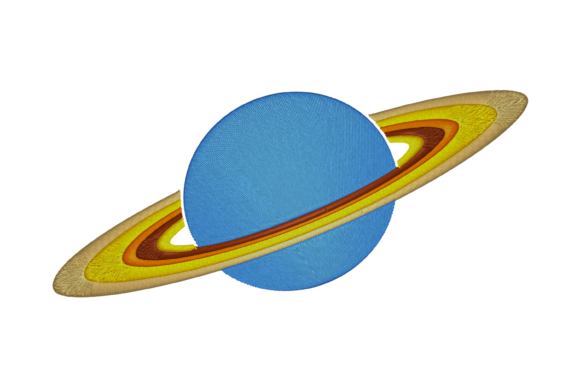
The first impression of Planet is immediately striking. Based on the description promising a "creative touch," this design feels modern, slightly whimsical, and universally appealing. It does not scream "rustic farmhouse" or "vintage floral"; instead, it offers a clean, graphic aesthetic that fits perfectly with current trends in home decor and wearable art. For a craft fair seller, this versatility is gold. A design that can pivot from a cute accent on a child's backpack to a sophisticated focal point on a living room pillow is a design that sells.
Visual Impact and Product Versatility
When I imagine laying out my table display, I need items that pop. The Planet embroidery shines brightest when used as a large focal design. On a plain canvas tote bag design, this motif would serve as the main attraction, drawing the eye from across the aisle. The circular nature of a planet works exceptionally well on curved surfaces, making it an ideal candidate for apron embroidery right over the chest pocket or centered on the bib.
For those looking to create smaller, impulse-buy items, this design adapts well to embroidered patch formats. Imagine a set of iron-on patches featuring different planetary colors; these are low-cost small shop product winners that encourage add-on sales. However, the real magic happens with home goods. The description suggests it looks great on decorative pillows and bed sheets, and I agree. A monochromatic thread scheme on a textured linen pillow cover creates a premium, high-end look that justifies a higher price point at a boutique market.
Kitchen textiles are another strong avenue. Tea towel embroidery is a huge seller at holiday markets. Placing the Planet design in the corner of a waffle-weave towel adds a modern twist to a traditional item. It feels less like a generic kitchen tool and more like a piece of art, which is exactly the vibe creative entrepreneurs want to convey.
Production Practicality for Batch Selling
From a production standpoint, the viability of a design often comes down to repeatability. Can I stitch ten of these in an hour while maintaining quality? The Planet design appears to have a structure that supports batch production. Unlike designs with excessive tiny details or complex shading that require constant thread changes, a planetary motif often relies on bold shapes and solid fills. This makes it efficient for commercial embroidery runs where time is money.
Photography is equally crucial for the Etsy seller or anyone listing items online. Graphic designs like this photograph beautifully because they have clear lines and distinct shapes. They do not get lost in the noise of a busy background. When creating a printable mockup for your digital listings, ensure you show the design on various fabric colors. The contrast between the thread and the fabric will determine whether the image clicks or gets scrolled past.
Critical Considerations for Execution
While the potential is high, there are technical hurdles to clear before stitching your first sale item. Every experienced designer knows that a digital embroidery file behaves differently depending on the medium. Here are the specific areas where you must exercise caution with the Planet design:
- Stitch Density: Check the density of the fill stitches. If the design is too dense, it may cause puckering on lighter fabrics like cotton tea towels. Always test on scrap fabric first.
- Fabric Texture: Textured towels can sometimes swallow small details. Ensure the outer ring of the planet is thick enough to remain visible against a waffle or looped weave.
- Curved Surfaces: If applying this to caps, remember that the front panel is curved. Designs that are too wide or have intricate edges may distort. Verify that the hoop size you plan to use accommodates the cap frame properly.
- Dark Fabric: Plan your thread colors carefully. If stitching on navy or black tote bags, you will need high-contrast threads to make the planet stand out. Do not assume the default colorway works for everything.
- Small Sizes: If scaling this down for a small pouch or keychain, ensure no elements disappear. Designs that lose clarity at smaller sizes can look sloppy and unprofessional.
Maximizing Customer Engagement
The ultimate goal of any craft fair product is to engage the buyer. The Planet design sparks curiosity. It invites questions like, "Is that Earth?" or "What planet is that?" This interaction is the hook you need to start a conversation about your brand. When customers engage, they are more likely to purchase. Furthermore, using a consistent theme like "Around The World" across multiple products—pillows, bags, and patches—creates a cohesive booth display that looks professional and thoughtfully curated.
To truly elevate the perceived value, pay attention to the finishing touches. Use a high-quality stabilizer to ensure the back of the embroidery is as neat as the front, especially for items like scarves or unlined bags where the inside might be visible. Review the spacing of the design elements to ensure balance. A well-executed handmade product signals to the customer that care went into its creation, allowing you to command a better price.
Before you commit to a full production run, create at least one real physical mockup. Do not rely solely on digital previews. Stitch the Planet design on the actual materials you intend to sell. Compare how it looks on canvas versus linen versus twill. This step reveals issues that screens cannot show, such as how the light hits the satin stitches or how the fabric drapes after hooping.
Finally, a crucial note on licensing: always confirm commercial embroidery rights before selling finished goods. The description mentions it is amazing for creations, but you must verify the specific terms of the design assets you purchase. Ensure you are cleared to sell physical items made with this file to avoid legal complications down the road. If the file format, exact stitch count, or specific hoop requirements are not explicitly stated in the product listing, reach out to the creator or check the documentation thoroughly before production begins.
In conclusion, the Planet embroidery design holds significant promise for the savvy maker. Its modern aesthetic, adaptability across various product types, and strong visual presence make it a contender for top seller status at your next market event. By paying attention to the technical details of stitch density, fabric choice, and presentation, you can transform this simple digital file into a tangible asset that drives sales and builds your brand reputation.