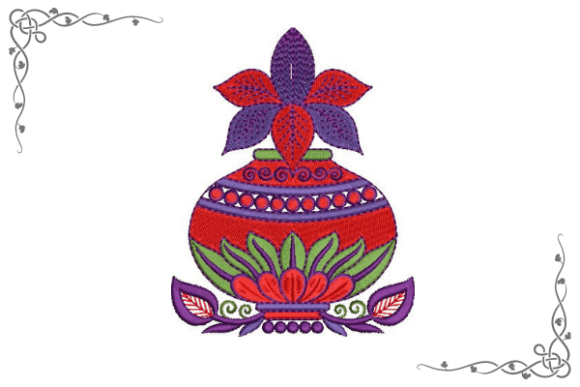
Indian Decoration: A Designer’s Craft Fair Review
As an embroidery designer who has spent countless weekends behind a craft fair table, I have learned that not every digital file translates into a best-selling handmade product. Some designs look beautiful on a screen but get lost in the chaos of a busy market booth. Others become instant favorites because they catch the eye from three feet away and hold up under close inspection. Today, I am reviewing Indian Decoration, a traditional machine embroidery design that promises to add a cozy and artistic feel to any fabric. My goal is to determine if this design belongs in your next production batch for your small shop or Etsy store.
First Impressions: Artistic Warmth Meets Traditional Charm
The first thing that strikes me about Indian Decoration is its inherent warmth. The description highlights a "cozy and artistic feel," which is exactly what modern buyers are seeking in the House Home category. In a market saturated with minimalistic, sterile aesthetics, this design offers a welcome return to ornamentation and cultural richness. It does not scream for attention with neon brightness; instead, it invites the viewer to look closer. This makes it an excellent candidate for products that rely on texture and tactile appeal. For a craft fair seller, this is crucial. You need items that stop people in their tracks, not just because they are loud, but because they feel special.
When I visualize this design, I see it working best where tradition meets utility. It feels decorative yet grounded, making it suitable for both festive occasions and everyday use. The term "traditional" suggests intricate patterns, likely involving floral or geometric motifs common in Indian textile arts. This complexity can be a double-edged sword, so we must evaluate how it performs on various substrates.
Product Potential: Where This Design Shines
To maximize sales, you must pair the right design with the right product. Based on the versatility of Indian Decoration, here is how I would deploy it in a real-world booth setup:
- Tote Bags and Market Bags: A tote bag design needs to be bold enough to be seen from a distance. If the Indian Decoration file scales well, placing it centrally on a canvas tote creates an immediate focal point. The traditional motifs contrast beautifully with neutral canvas, appealing to buyers looking for eco-friendly, stylish accessories.
- Apron Embroidery: Kitchen aprons are perennial bestsellers. Embroidering this design on the bib or pocket adds a touch of elegance to a utilitarian item. It transforms a simple cloth apron into a giftable piece of art, perfect for the holiday season.
- Tea Towel Embroidery: Tea towels are low-cost, high-volume items. However, you must be cautious. If the design is too dense, it can pucker thin linen. If the stitch count allows, a smaller version of Indian Decoration on the corner of a tea towel looks sophisticated and sells well as part of a set.
- Decorative Pillows: The product description explicitly mentions decorative pillows. This is perhaps the strongest application. A large-scale version of this design on a velvet or cotton pillow cover becomes a statement piece for living rooms, aligning perfectly with the House Home aesthetic.
- Embroidered Patches: If the design holds its integrity at a smaller size, turning it into an iron-on or sew-on patch is a smart move. Patches are impulse buys at craft fairs. They allow customers to customize their own jackets or bags, extending the reach of your digital embroidery file.
Production Practicality and Batch Consistency
For any Etsy seller or boutique maker, time is money. A design that takes ten hours to stitch is rarely profitable unless you charge a premium price. While the exact stitch count for Indian Decoration is not provided in the brief, traditional designs often feature higher stitch density. Before committing to a large run, you must test the efficiency of the embroidery file.
Batch production requires consistency. Does the design register correctly every time? Are there frequent thread breaks? These are questions you must answer during your testing phase. If the design includes tiny details, ensure they do not collapse on textured fabrics. A craft fair product must be durable. Customers will handle your items, so the embroidery must remain intact and vibrant after washing.
Careful-Use Notes: Avoiding Common Pitfalls
Even the most beautiful machine embroidery design can fail if applied incorrectly. Here are specific considerations for Indian Decoration:
- Fabric Texture: Traditional patterns often have fine lines. On thick, textured towels or heavy denim, these lines may lose clarity. Always test on the exact fabric you intend to sell. If the details disappear, consider using a contrasting thread color or increasing the size of the design.
- Curved Surfaces: If you plan to put this on caps, be aware that curved surfaces distort flat designs. You may need to adjust the placement or use a specialized cap frame to ensure the Indian Decoration motif does not look stretched or warped.
- Dark Fabrics: Traditional Indian colors are vibrant, but if you are stitching on dark fabric, ensure your thread colors have enough contrast. A dark blue thread on black fabric will vanish. Use underlay stitches effectively to prevent the fabric from showing through dense areas.
- Stabilizer Selection: Given the potentially intricate nature of this design, using the right stabilizer is non-negotiable. A cut-away stabilizer is often best for garments that will be washed frequently, while tear-away might suffice for home decor items like pillows that see less wear.
Visual Appeal and Brand Consistency
Your booth display tells a story. Indian Decoration contributes to a narrative of artisanal quality and global inspiration. When arranged alongside other items, it helps establish brand consistency. If your brand focuses on handmade, culturally inspired goods, this design is a perfect fit. It enhances the perceived value of the finished product, allowing you to price your items higher than plain, unadorned goods.
Photography is another critical factor. This design should photograph well for your online listings. The intricate details provide visual interest in close-up shots, while the overall shape works for wider angles. Create at least one high-quality printable mockup or staged photo to use in your Etsy listings. Show the design in context—on a cozy sofa, in a sunlit kitchen, or carried by a model. This helps buyers visualize the item in their own lives.
Designer’s Checklist Before You Sell
Before you list Indian Decoration as a commercial embroidery product, run through this checklist:
- Test on Scrap Fabric: Never skip this step. Stitch out the design on the same material you will use for sales.
- Check Thread Contrast: Ensure the thread colors pop against the fabric background.
- Confirm Hoop Size: Verify that the design fits within your standard hoop sizes without excessive re-hooping, which slows down production.
- Inspect Stitch Density: Look for areas that are too dense, which can cause puckering, or too sparse, which may look cheap.
- Review Licensing: The description mentions the design comes with "mul" (likely multiple formats or licenses), but you must confirm the specific terms. Ensure you have the right to sell finished products made with this digital embroidery file. Never assume; always read the license agreement included with your design assets.
In conclusion, Indian Decoration has strong potential as a versatile and appealing addition to your product line. Its traditional aesthetic offers a cozy, artistic vibe that resonates with today’s consumers. By carefully selecting the right products, managing production details, and presenting it with professional photography, you can turn this small shop product into a staple of your craft fair success. Remember, the key to selling Embroidery is not just the stitch, but the story it tells and the quality it represents.