Reviewing the Japanese Sashiko Shape Bat for Modern Stitching
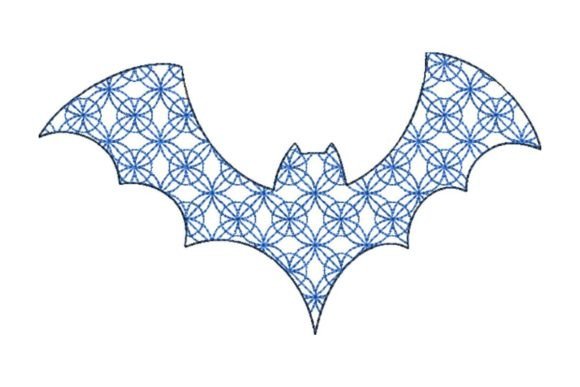
As a designer who spends more time staring at stitch maps than finished garments, I have learned that not every machine embroidery design is created equal. Some are flashy but fragile; others are simple yet incredibly versatile. Recently, I pulled up the Japanese Sashiko Shape Bat to evaluate its potential for a upcoming line of autumnal home goods and custom apparel. What struck me immediately was not just the motif itself, but the specific cultural texture it brings to modern Embroidery. This is not your typical spooky Halloween bat; it is a refined, geometric interpretation rooted in the traditional stitching styles of Asia.
First Impressions: Minimalism Meets Tradition
The first thing you notice about this design is its reliance on the running stitch. In an era where dense fill stitches and complex satin columns dominate the market, seeing a design that trusts the simplicity of a single line is refreshing. The Japanese Sashiko Shape Bat uses negative space effectively, allowing the fabric to become part of the artwork. This creates a mood that is calm, intentional, and slightly rustic.
For a craft business owner or an Etsy seller, this visual personality is a significant asset. It does not scream for attention; instead, it invites closer inspection. The layout is balanced, with the wings spread in a symmetrical pattern that feels stable rather than aggressive. This makes it an ideal candidate for projects where subtlety is key. If you are looking to create a handmade product that feels elevated and thoughtful, this design provides a strong foundation without overwhelming the substrate.
Real-World Application: The Tote Bag Test
To truly understand how a design performs, you must imagine it in a real-life scenario. I envisioned using this bat motif on a heavy canvas tote bag. This is a popular item for small shop products and boutique branding. The natural texture of canvas pairs beautifully with the linear quality of Sashiko-style stitching. Unlike a dense applique design that might feel stiff or plastic-like on soft fabric, this running stitch pattern moves with the material.
When stitched out, the bat becomes a focal point that suggests craftsmanship. For a customer buying a personalized gift or a custom apparel item, this level of detail signals quality. It transforms a basic tote into a statement piece. I also considered its use on a linen tea towel. Here, the design’s openness prevents the fabric from puckering, a common issue with heavier embroidery files. The result is a clean, professional finish that enhances the perceived value of the finished product.
Versatility Across Product Lines
Beyond tote bags, the Japanese Sashiko Shape Bat shows promise in several other categories. For those involved in custom apparel, imagine this stitched onto the chest pocket of a chambray shirt or the hem of a denim jacket. The contrast between the traditional stitch style and modern workwear fabrics creates a compelling aesthetic. It works equally well for baby embroidery, provided you choose soft, organic cottons and gentle thread colors. A pastel blue or grey thread on white muslin creates a soothing nursery decor element that avoids the cliché of overly cute motifs.
Holiday embroidery often leans towards the literal and the loud. This design offers a sophisticated alternative for October decor. It fits seamlessly into a minimalist home aesthetic, appealing to buyers who want seasonal touches without the kitsch. For an embroidered patch, the design’s clear lines would hold up well, especially if backed with a sturdy cut-away stabilizer. This makes it a viable option for creating iron-on accessories that can be sold as standalone design assets or added to existing inventory.
Technical Considerations and Fabric Choices
While the design is visually striking, practical execution requires attention to detail. Because it relies on a running stitch, the choice of fabric texture is critical. On highly textured fabrics like wool or bouclé, the individual stitches may get lost. I recommend using smooth, tightly woven fabrics such as cotton, linen, or denim to ensure the stitch definition remains crisp. Conversely, on stretchy fabrics like jersey knits, proper stabilization is non-negotiable. Without a high-quality stabilizer, the tension of the stitches could cause the fabric to distort, ruining the clean lines of the bat shape.
Dark fabric presents another consideration. Traditional Sashiko uses white thread on indigo, creating high contrast. If you plan to stitch this on black or navy, ensure your thread color pops. A bright white or silver thread will maintain the visual impact. However, if you choose a low-contrast combination, the design may recede into the background, losing its decorative power. Always test your thread colors on scrap fabric before committing to a final project. This simple step saves time and materials, ensuring that your sweatshirt embroidery or pillow cover meets your quality standards.
Stitch Density and Hoop Size Management
One of the advantages of this design is its likely low stitch density. While I do not have the exact stitch count or file formats for the Japanese Sashiko Shape Bat 4-19 version in front of me, the visual structure suggests it is lightweight. This is beneficial for curved surfaces like caps or hats, where heavy embroidery can cause the brim to warp. However, you must confirm the hoop size requirements. If the design is large, ensure your machine can accommodate the necessary frame. For smaller hoop sizes, check if the design scales down without losing clarity. Tiny details can merge if the design is reduced too much, so inspect the scaled-down version on your screen before stitching.
For commercial embroidery projects, efficiency matters. A design with fewer stitches runs faster, reducing production time and wear on your machine. This makes it an attractive option for small business owners looking to maximize output during peak seasons. Yet, speed should never compromise quality. Always review the stitch path in your software to check for unnecessary jumps or trims that could affect the final look.
Building Trust Through Professional Presentation
How you present this design affects buyer engagement. When creating printable mockups or digital product previews, show the design on realistic textures. A flat digital image cannot convey the tactile beauty of the running stitch. Photograph your samples in natural light to highlight the thread’s sheen and the fabric’s weave. This transparency builds customer trust and sets accurate expectations for the handmade product.
Consistency in your brand presentation is also key. If your shop specializes in Asian-inspired or minimalist designs, this bat fits perfectly. It reinforces your brand identity and appeals to a specific niche audience. For digital embroidery file sellers, providing clear licensing terms is essential. Confirm whether the design allows for commercial use before selling finished items. Clear communication regarding usage rights protects both you and your customers, fostering a professional relationship.
Final Designer Notes
Before integrating the Japanese Sashiko Shape Bat into your workflow, take these practical steps:
- Test on Scraps: Always stitch a sample on the same fabric and stabilizer combination you plan to use for the final product.
- Check Contrast: Ensure your thread color stands out against the fabric background, especially for distant viewing.
- Verify Licensing: Review the license agreement to confirm you can sell finished products or if it is for personal use only.
- Inspect Details: Zoom in on the design file to check for any potential stitching issues in the wing tips or body contours.
- Consider Scale: Match the design size to the product. A large bat may overwhelm a baby onesie, while a tiny one might get lost on a large tote.
In conclusion, this design is a thoughtful addition to any embroiderer’s library. It bridges the gap between traditional craftsmanship and modern design sensibilities. By understanding its strengths and limitations, you can create stunning, high-value items that resonate with customers seeking authenticity and style. Whether for a holiday gift, a boutique product, or a personal project, the Japanese Sashiko Shape Bat offers a elegant solution for contemporary embroidery needs.