Reviewing Decorative Pattern for Holiday Collections
As an embroidery designer preparing for the busiest season of the year, my workflow shifts from pure creativity to strategic product planning. Every machine embroidery design I consider must earn its place in my seasonal lineup by offering versatility, visual appeal, and reliability under production pressure. Recently, I have been evaluating the Decorative Pattern to determine if it fits into my upcoming holiday shop collection. This review breaks down how this specific Paisley style motif performs when translated into real-world products for Etsy sellers, craft fair vendors, and handmade gift makers.
First Impressions and Seasonal Mood
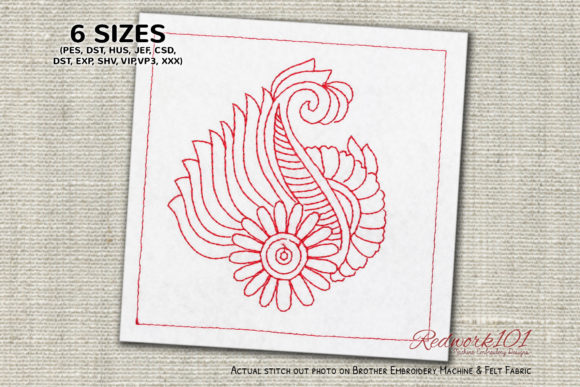
The first thing that strikes me about the Decorative Pattern is its inherent elegance. While categorized under Paisley, the design carries a timeless quality that bridges the gap between rustic charm and modern sophistication. The emotional tone it sets is one of cozy nostalgia, making it an ideal candidate for autumn and winter holidays. It feels festive without being overly literal; it does not scream "Christmas" with red and green reindeer, but rather whispers "holiday warmth" through its intricate curves and balanced composition.
This subtlety is crucial for today's consumer. Buyers are increasingly looking for handmade gift items that feel premium and unique rather than mass-produced. The detail level in this Embroidery file suggests a high perceived value. When stitched out, the interplay of lines creates a texture that invites touch, which is essential for home decor items like pillow covers or throw blankets. Whether you are aiming for a spiritual, romantic, or simply premium aesthetic, this pattern adapts well to various color palettes, allowing you to pivot quickly between different holiday themes.
Strategic Product Applications for the Holidays
In a real-case scenario of building a seasonal shop collection, versatility is king. I envision the Decorative Pattern anchoring several key product categories. For apparel, it shines as a sweatshirt embroidery element. Placed on the left chest or as a larger back print, it elevates a basic garment into a limited-edition holiday piece. Because the design is ornamental, it works beautifully on family matching items, where each member gets the same motif in a size appropriate for their garment.
Beyond clothing, this design is a powerhouse for home goods. Imagine a set of kitchen towel embroidery projects featuring this pattern in deep burgundy or forest green thread. These make exceptional hostess gifts. Similarly, applying this to a canvas tote bag design creates a durable, stylish accessory for holiday shopping or carrying gifts. For those focusing on smaller, high-margin items, an embroidered patch version of this pattern could be sewn onto beanies or denim jackets, offering a customizable add-on for customers.
The potential for personalized gift bundles is also significant. By pairing the Decorative Pattern with monograms or dates, you create a bespoke feel that justifies a higher price point. For social media previews and printable mockup graphics, the symmetrical nature of the paisley elements photographs exceptionally well, ensuring your online listings stand out in a crowded marketplace.
Technical Considerations and Production Notes
While the aesthetic appeal is strong, a professional designer must also address the technical realities of stitching this file. The product description notes that "The Box Stitch shown in picture is optional," and that the outer box color often differs unless it is part of the design itself. This flexibility is a double-edged sword. On one hand, skipping the box allows for a cleaner look on curved surfaces like caps or soft fabrics. On the other hand, you must be deliberate about your hoop placement. If you choose to include the box, ensure your hoop size can accommodate the full width without cropping essential details.
Stitch density is another critical factor. Ornate paisley designs can sometimes become too dense, leading to needle breaks or fabric puckering, especially on stretchy garments. Before running a full production batch, I strongly advise testing the stitch density on scrap fabric similar to your final product. If you are working with thick towels or heavy fleece, you may need to adjust your tension or use a cut-away stabilizer to maintain shape. Conversely, on lightweight linens, a tear-away stabilizer might suffice, but always check the back of the stitch-out for excessive buildup.
Color selection requires careful thought. The description mentions that thread colors can vary. For holiday collections, I recommend creating specific color maps. A gold metallic thread against navy velvet creates a luxurious evening look, while matte cotton threads in earth tones suit a rustic Thanksgiving theme. However, be cautious with metallic threads on items that require repeated washing, such as kitchen towels or baby items, as they can degrade or irritate sensitive skin. Always verify the durability of your chosen thread colors against the intended use of the finished product.
Where to Use Caution
- Small Hoop Sizes: Ensure the design fits entirely within your smallest hoop if you plan to offer mini-versions for ornaments or cuffs.
- Dark Fabric: Test underlay stitches to prevent the background fabric from showing through lighter thread areas.
- Layered Details: Check for jump stitches between close elements that might need trimming to maintain a clean look.
- Curved Caps: The flat nature of paisley may distort on highly curved surfaces; consider resizing or modifying the design for headwear.
- Commercial Licensing: Always confirm the license terms of the digital embroidery file before selling finished goods, especially for high-volume holiday drops.
Maximizing Buyer Emotion and Shop Value
The ultimate goal of adding the Decorative Pattern to your catalog is to enhance buyer emotion and drive sales. During the holiday rush, customers are driven by the desire to give meaningful gifts. A product featuring this design signals effort and artistry. It builds customer trust because it looks professional and cohesive. For an Etsy seller or small shop owner, consistency in visual recognition is vital. Using this pattern across multiple product types—aprons, pillow covers, and tote bags—creates a recognizable brand aesthetic that shoppers can instantly identify.
Furthermore, this design supports the narrative of the "slow fashion" and "handcrafted" movements. By highlighting the intricacy of the Embroidery in your product descriptions and marketing materials, you educate the customer on the value of your work. This justification helps maintain healthy profit margins even when material costs rise during the peak season.
Final Verdict for Seasonal Collections
In conclusion, the Decorative Pattern is a robust addition to any seasonal commercial embroidery strategy. Its adaptability allows it to function as a standalone statement piece or a complementary element in a larger gift bundle. However, success lies in the preparation. Do not assume the default settings will work for every application. Test on both light and dark fabrics, experiment with different stabilizers, and create realistic mockups to visualize the final result before committing to inventory.
Remember, the product description explicitly states that specific details like the box stitch are optional and color variations exist. It is your responsibility as the creator to check these details, confirm the exact stitch count and file formats provided upon purchase, and ensure they align with your machine's capabilities. With proper testing and thoughtful application, this paisley-inspired design can become a bestseller in your holiday lineup, delighting customers with its beauty and craftsmanship.