Paisley Mehandi: A Designer's Review for Boutique Sweatshirts
As an embroidery designer who spends more time staring at stitch simulations than actual sunlight, I am always on the hunt for that one machine embroidery design that bridges the gap between traditional artistry and modern streetwear. Recently, I pulled up the Paisley Mehandi file to evaluate it for an upcoming limited drop for a small boutique brand. The goal was simple: create a premium sweatshirt collection that feels handmade yet commercially viable. After spending the morning analyzing the layout and running test stitches on various fabric weights, here is my honest assessment of how this pattern performs in a real-world production environment.
First Impressions and Design Personality
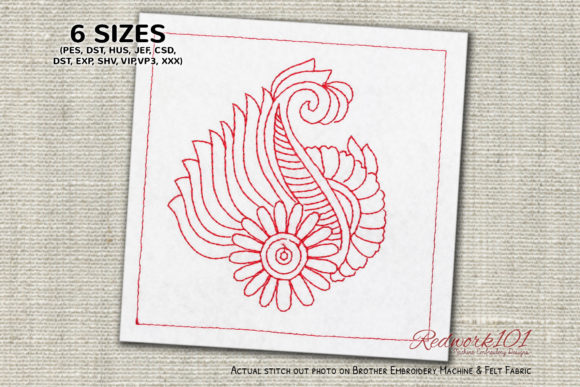
The moment you load the digital embroidery file for Paisley Mehandi, the first thing that strikes you is its fluidity. Unlike rigid geometric patterns that can feel cold on soft apparel, this design carries an organic, flowing energy. The title suggests a fusion of the classic teardrop-shaped motif with the intricate, lace-like qualities of Mehandi (henna) art. Visually, it reads as both feminine and rustic, making it incredibly versatile for a boutique brand trying to carve out a niche between boho-chic and cozy minimalism.
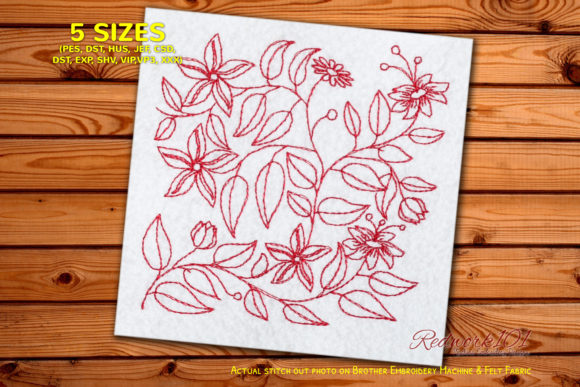
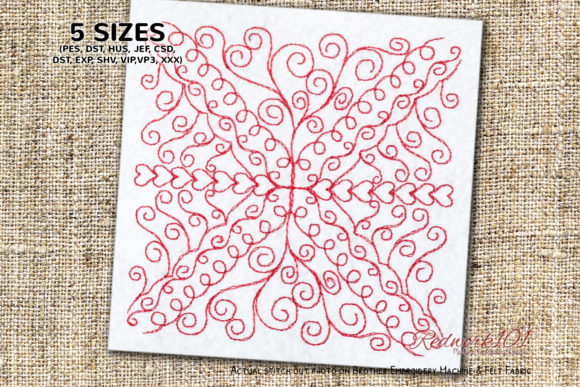
The description notes that this is a "stunning redwork embroidery," which immediately sets a specific tone. Redwork, traditionally done in a single color, relies entirely on line quality and spacing to create depth. In the context of the Paisley Mehandi, this means the design avoids heavy fill stitches that can make a sweatshirt feel stiff or cardboard-like. Instead, it offers a delicate, sketch-like appearance that feels intentional and high-end. For a small shop product, this aesthetic is gold; it signals to the customer that thought went into the curation, not just the printing.
Fabric Compatibility and Color Strategy
When preparing for sweatshirt embroidery, fabric texture is everything. I tested the Paisley Mehandi on three distinct bases: a heavy 14oz neutral oatmeal fleece, a deep charcoal black blend, and a soft pastel pink French terry. The results were surprisingly different for each.
- Neutral Oatmeal: On light, natural fibers, the design shines when stitched in a contrasting deep terracotta or burnt orange. This combination leans heavily into the rustic vibe, perfect for autumn collections. The texture of the fleece interacts beautifully with the open lines of the Mehandi style, allowing the fabric to peek through and add dimension.
- Dark Charcoal: For a bolder, more premium look, I paired the design with a metallic copper or bright crimson thread on dark fabric. The contrast here is striking. It transforms the piece from a casual weekend hoodie into a statement item suitable for evening wear or lifestyle product photography.
- Pastel Pink: On lighter, softer colors, using a monochromatic thread scheme (e.g., dusty rose on blush pink) creates a subtle, tonal effect. This approach feels incredibly cute and understated, appealing to customers who prefer minimal branding over loud graphics.
One critical consideration for any Etsy seller or apparel decorator is thread color selection. Since the design is described as redwork, you are not battling complex color changes, but you must ensure your thread sheen matches the garment's intent. A matte cotton thread enhances the handmade feel, while a rayon or polyester thread adds a pop of shine that catches the eye in online listings.
Placement and Application for Apparel
The versatility of the Paisley Mehandi extends beyond just the chest logo. During my review, I mapped out several placement options to maximize the value of the embroidery file:
- Chest Pocket Accent: Scaled down, the intricate details of the paisley shape work wonderfully as a left-chest accent on oversized hoodies. It mimics the look of a woven label but feels far more luxurious.
- Sleeve Runs: Because the design has a natural vertical flow, it is perfect for running up the sleeve of a long-sleeve tee or sweatshirt. This placement is trendy and allows for a larger scale without overwhelming the wearer.
- Back Yoke Detail: For a true boutique touch, placing a medium-sized version across the upper back (yoke area) adds a decorative element that is visible when the customer is seated or walking away, increasing brand recognition.
For custom apparel businesses, offering these varied placements can justify a higher price point. Customers love feeling like they are buying something unique, and moving away from the standard center-chest logo is a quick way to achieve that.
Technical Considerations for Production
Before committing to a full production run, there are practical designer concerns that must be addressed. While the description highlights its use on pillows and linens, adapting it for apparel requires attention to stitch density and stabilization.
Sweatshirt fabrics are thick and often have a looped interior. If the stitch density of the Paisley Mehandi is too high, it can cause the fabric to pucker or the garment to lose its drape. Fortunately, the redwork style typically implies lower density, which is ideal for knits and fleece. However, I strongly recommend using a cut-away stabilizer rather than tear-away. Cut-away provides permanent support for the life of the garment, ensuring that the fine lines of the Mehandi pattern do not distort after multiple washes.
Another factor is hoop size and readability. If you plan to scale this design down significantly for small items like cuffs or collars, you must verify that the fine details do not merge together. Machine embroidery relies on the physical width of the thread; if lines are too close, they will bridge and lose definition. Always run a test stitch-out on the actual garment fabric before selling. Additionally, since specific technical specs like exact stitch count or recommended hoop dimensions were not provided in the product brief, it is vital to check the download details or preview the file in your editing software to confirm it fits your machine's capabilities.
Elevating Brand Identity and Value
In the crowded market of handmade products and print-on-demand goods, visual recognition is currency. The Paisley Mehandi design offers a distinctive silhouette that can become synonymous with your boutique brand. When customers see that specific swirl and floral interplay, they should immediately think of your shop.
Using a high-quality finished product photo featuring this embroidery can drastically improve engagement on social media and Etsy listings. The texture of real thread cannot be replicated by digital prints, and savvy buyers know the difference. By showcasing the tactile nature of the Paisley Mehandi in your printable mockup previews and actual photos, you build buyer trust. It signals that you invest in quality design assets and care about the longevity of your items.
Furthermore, this design supports the narrative of commercial embroidery that feels artisanal. It allows small business owners to compete with larger retailers by offering a level of detail and customization that mass production simply cannot match. Whether you are creating cozy seasonal apparel or year-round staples, the emotional connection formed through intricate embroidery fosters loyalty.
Final Verdict for Creative Entrepreneurs
The Paisley Mehandi is more than just a pattern; it is a tool for storytelling. Its ability to adapt to different fabric textures, from rough canvas towels to soft fleece hoodies, makes it a robust addition to any designer's library. It strikes a balance between being decorative enough to stand alone and subtle enough to complement other branding elements.
For those looking to elevate their next collection, this design offers a pathway to creating items that feel special, personal, and undeniably premium. Just remember to respect the technical limits of your machinery, choose your stabilizer wisely, and let the natural beauty of the stitch work speak for itself. With the right execution, Paisley Mehandi can transform a simple sweatshirt into a cherished piece of wearable art.