Reviewing African Culture for Boutique Apparel
As an embroidery designer who spends more time staring at digitized stitches than I do sleeping, I am always on the hunt for designs that bridge the gap between artistic expression and commercial viability. When I stumbled upon African Culture in the Creative Fabrica library, my immediate instinct was not just to admire it, but to visualize it on a garment. In the world of boutique apparel, a design must do more than look pretty; it must sell. It must convey a mood, fit a niche, and withstand the rigors of wear and wash. This review explores how this specific machine embroidery design performs when applied to real-world projects, from cozy sweatshirts to structured tote bags.
First Impressions: Visual Personality and Mood
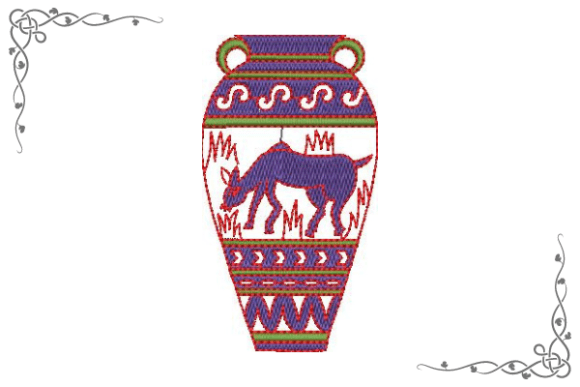
The first thing that strikes you about African Culture is its inherent warmth. The description promises a "cozy and artistic feel," and visually, it delivers. This is not a stark, minimalistic logo nor a hyper-realistic portrait. Instead, it carries a decorative strength that feels both rustic and trendy. For a boutique brand, this visual personality is invaluable. It speaks to customers looking for authenticity and cultural appreciation in their wardrobe.
The detail level appears balanced. It is intricate enough to catch the eye on social media graphics or Etsy listings, yet it does not seem so dense that it would turn a soft fleece into a cardboard shield. The stitching mood suggests a blend of traditional motifs with a modern application, making it suitable for both classic and contemporary aesthetics. Whether you are aiming for a feminine touch on a pastel hoodie or a bold statement on a dark oversized garment, the design’s versatility is its strongest asset.
Apparel Applications: From Sweatshirts to Denim
Imagine preparing a small collection for your online shop. You have neutral sweatshirts, pastel hoodies, and perhaps some heavy-weight t-shirts. Here is how African Culture might perform across these mediums:
- Sweatshirt Embroidery: On a neutral or cream-colored sweatshirt, this design can serve as a central chest piece. The contrast between the thread colors and the fabric texture will define the look. If the design uses varied thread colors, it pops beautifully against solid backgrounds, creating a high-value finished product.
- Hoodie Design: For hoodies, consider placement carefully. A left-chest placement offers a subtle, premium look, while a large back design can make a bold fashion statement. The "artistic feel" mentioned in the product description works exceptionally well here, turning a basic hoodie into a wearable piece of art.
- T-Shirt Embroidery: When working with thinner fabrics like cotton jersey, the stitch density becomes critical. If the design is dense, you must use a cut-away stabilizer to prevent puckering. However, if the digitizing is open and airy, it can lay flat and look professional on a high-quality tee.
- Denim Jackets and Tote Bags: These heavier fabrics are ideal for machine embroidery designs with higher stitch counts. The structure of denim or canvas supports the weight of the threads, allowing the details of African Culture to shine without distortion. This is perfect for creating complementary accessories to match your apparel line.
Technical Considerations for the Experienced Designer
While the aesthetic appeal is clear, the technical execution is where many small shop products fail. Before you hoop your first garment, there are several practical notes to consider. Since the product details state that this machine embroidery design comes with multiple embroidery formats, you likely have options for different hoop sizes. However, you must confirm the specific file formats and hoop compatibility with your machine before purchase.
Stabilizer Choice: For stretchy fabrics like fleece or ribbed cuffs, a cut-away stabilizer is non-negotiable. Tear-away stabilizers may seem convenient, but they offer insufficient support for designs that need to maintain their shape over time. For woven fabrics like tote bags or denim jackets, a tear-away might suffice, but testing is key.
Thread Color Contrast: Review the thread color palette suggested by the digitizer. Does it complement your intended fabric choices? If you are using dark garments, ensure the design includes light or vibrant thread colors to maintain visibility. Conversely, on pastel hoodies, deeper tones can provide a sophisticated contrast.
Test on Scrap Fabric: Never skip this step. Stitch out African Culture on a scrap piece of the exact fabric you intend to use. Check for puckering, thread breaks, or registration issues. This simple step saves you from ruining expensive blank apparel and ensures your commercial embroidery products meet professional standards.
Enhancing Brand Identity and Value
Using a distinctive design like African Culture can significantly impact your brand identity. In a saturated market, unique visuals help with product recognition. When customers see your handmade product, they should immediately associate the quality and style with your boutique brand. This design, with its cultural roots and artistic flair, adds a layer of storytelling to your items.
For Etsy sellers and creative entrepreneurs, this translates to better customer engagement. A well-executed embroidery design invites closer inspection. It encourages buyers to zoom in on printable mockups and lifestyle product photos. When the physical finished product matches the high expectations set by your digital presence, you build buyer trust. This trust is the foundation of repeat business and positive reviews.
Where to Use Caution
Despite its versatility, there are areas where you should use this design carefully. Avoid placing complex, dense sections of the design on highly curved surfaces, such as the shoulder seam of a tight-fitting shirt, as this can cause distortion. Also, be mindful of tiny lettering if the design includes text. Small details can get lost or become illegible if the stitch density is too high or if the fabric texture is too rough.
Additionally, consider the stretch of the fabric. If you are embroidering on a ribbed cuff or a very stretchy knit, the design may warp when worn. In such cases, reducing the pull compensation in your editing software or choosing a less dense area of the design for placement can mitigate this issue.
Final Verdict for Creative Entrepreneurs
African Culture is a compelling addition to any embroidery designer’s library, particularly for those focusing on boutique apparel and home decor. Its ability to add a cozy, artistic feel makes it suitable for a wide range of products, from decorative pillows to custom apparel. For the serious Etsy seller or small clothing brand owner, it offers the potential to create standout pieces that resonate with customers seeking authenticity and style.
Remember to check the Creative Fabrica product details and licensing terms before selling finished apparel. Ensure you understand the commercial use rights associated with this digital embroidery file. With proper testing, careful stabilizer selection, and thoughtful placement, this design can elevate your next collection, turning simple blanks into coveted handmade products. Whether you are expanding your sweatshirt embroidery lineup or launching a new line of tote bags, African Culture provides the visual depth and cultural richness that modern consumers crave.