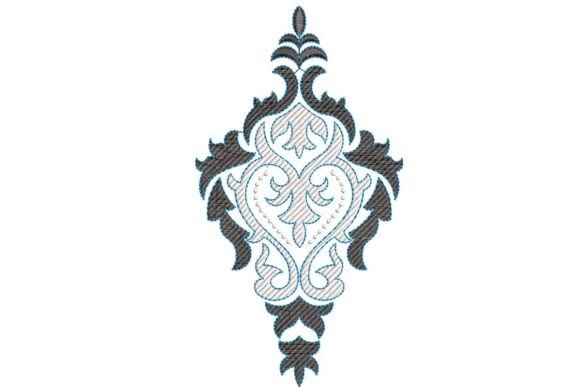
Review: King Cushion Pillow Motif for Home Decor
As a designer who spends more time staring at stitch maps than actual fabric, I have learned that not every machine embroidery design translates well from screen to thread. Some look crisp in the software preview but turn into a tangled mess of puckering and breaks once the needle hits the cloth. When I first loaded the King Cushion Pillow Motif into my workspace, I was looking for more than just a pretty picture. I needed to know if this digitized asset could hold up under the scrutiny of a paying customer and the mechanical stress of a high-speed embroidery machine.
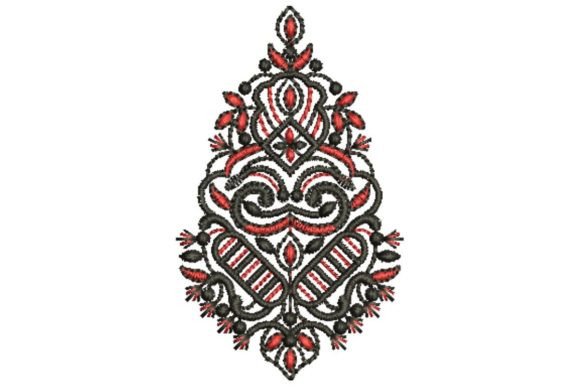
The motif, created with Wilcom E4.2, immediately struck me as a piece intended for statement decor rather than subtle accent work. The "King" theme suggests regality, weight, and presence. In the context of Bedroom textiles, this is exactly what you want. A pillow is not just a functional item; it is a focal point. If you are an Etsy seller or a small shop owner specializing in handmade home goods, you know that visual impact drives clicks. This design offers that immediate visual hook.
First Impressions and Visual Personality
The layout of the King Cushion Pillow Motif feels balanced and intentional. It does not rely on chaotic details that confuse the eye. Instead, it uses strong shapes and clear lines to convey its theme. For an embroidery project destined for a cushion cover, this clarity is vital. Pillows are often viewed from a distance across a room or up close on a sofa. The design needs to read well at both ranges.
I appreciate that the digitizer avoided excessive density in the background areas. Too many fill stitch layers can make a pillow cover stiff and uncomfortable, defeating the purpose of a soft textile. The use of satin stitch for borders and key outlines gives the motif a polished, premium look. It mimics the feel of high-end boutique branding without requiring complex techniques like applique, which can be tricky for beginners to finish neatly.
Real-World Application: Beyond the Pillow
While the product description highlights its use for cushions and decorative pillows, my mind immediately went to other applications. As a creative entrepreneur, I always look for versatility in a digital embroidery file. Could this work on a heavy canvas tote bag? Absolutely. The bold lines would stand out against the textured weave of canvas, creating a striking tote bag design for a literary-themed collection or a royal-inspired gift line.
I also considered its potential for sweatshirt embroidery. Placed centrally on the chest or larger on the back, the motif could anchor a streetwear-style garment. However, this requires careful consideration of fabric stretch. A sweatshirt is a knit fabric, and while the design is robust, the hoop tension must be managed perfectly to avoid distortion. For rigid items like patches or aprons, the risk is lower, making it a safer bet for commercial embroidery runs where consistency is key.
For those running a craft business, think about seasonal angles. This motif fits naturally into holiday gifting categories. Imagine it embroidered on a velvet throw pillow for winter decor or on a structured linen cushion for summer. The adaptability depends largely on your choice of thread colors. Gold and deep purple scream royalty, while muted earth tones could soften the look for a modern farmhouse aesthetic.
Technical Considerations for Stitching Success
Let us talk about the realities of stitching this design. Because it was digitized in Wilcom E4.2, a professional-grade software, the underlying structure is likely sound. However, no file is universal. Before committing to a final finished product, you must test. Always start with a scrap piece of fabric similar to your final material. This allows you to check the stitch density and ensure there are no unnecessary jumps or trims that slow down production.
If you plan to use this on thin or lightweight fabrics, a cut-away stabilizer is non-negotiable. The weight of the stitches, particularly in any dense fill areas, will pull on lightweight cotton or silk, causing unsightly puckering. For thicker materials like denim or upholstery fabric, a tear-away might suffice, but I recommend testing both. The goal is a flat, smooth surface where the design sits on top of the fabric, not sinking into it.
Pay close attention to the corners and fine details. In smaller hoop sizes, intricate elements can become lost or merge together. If you are downsizing the design to fit a small cap or a baby item, verify that the running stitch details remain visible. If they disappear, the design loses its definition. For baby embroidery, ensure that any small detachable parts are secure, though this motif appears to be primarily stitched rather than appliqued, which is safer for infant items.
Color Contrast and Fabric Texture
The success of the King Cushion Pillow Motif relies heavily on contrast. On dark fabrics, light threads will pop, creating a dramatic effect ideal for luxury decor. On light fabrics, darker threads provide a classic, elegant look. I advise creating black and white mockups before stitching. This helps you see the value structure of the design without the distraction of color. If the design looks flat in grayscale, it may lack depth in real life.
Fabric texture also plays a role. A smooth sateen will show every stitch clearly, highlighting the precision of the digitizing. A textured linen or wool blend might soften the edges, giving the design a more rustic, handcrafted feel. Both are valid aesthetics, but they serve different markets. Know your customer. Are they looking for pristine perfection or cozy charm?
Commercial Viability and Branding
For small business merchandise and design assets, consistency is currency. Using a high-quality motif like this enhances brand perception. It signals that you care about quality and detail. When customers receive a personalized gift or a custom home decor item that looks professionally made, they are more likely to leave positive reviews and return for future purchases.
However, always confirm licensing terms. Just because a file is available for purchase does not mean it is free for unlimited commercial use. Check whether the designer allows for mass production or if there are limits on the number of finished items you can sell. Protecting your craft business from legal issues is just as important as protecting your thread tension.
Final Designer Notes
- Test the design on scrap fabric matching your final project material.
- Use appropriate stabilizers based on fabric weight and stretch.
- Check thread color contrast against both light and dark backgrounds.
- Verify hoop size compatibility to avoid resizing distortions.
- Inspect small details for clarity, especially if scaling down.
- Confirm commercial licensing rights before selling finished items.
- Consider the end-use environment, such as frequent washing for kitchen towels versus occasional use for decorative pillows.
In conclusion, the King Cushion Pillow Motif is a strong contender for home decor projects. It balances aesthetic appeal with technical practicality, provided you respect the material constraints. For designers and makers willing to put in the prep work, this design can elevate a simple cushion into a standout piece of interior art.