Blue Butterfly Embroidery: A Designer's Review for Real Projects
As an embroidery designer who spends countless hours vetting files for client orders and personal boutique collections, I approach every new download with a critical eye. When I first encountered the Blue Butterfly design on Creative Fabrica, I wasn't just looking for a pretty image; I was evaluating its potential as a functional machine embroidery design for real-world applications. In the world of Bugs Insects themed Embroidery, finding a file that balances artistic flair with technical stability can be challenging. This review breaks down how this specific asset performs when moved from the digital screen to the hoop.
First Impressions and Visual Mood
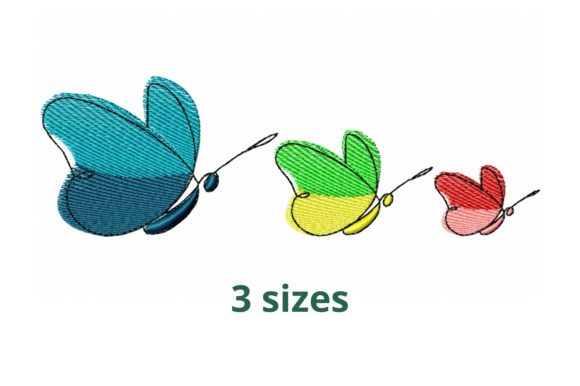
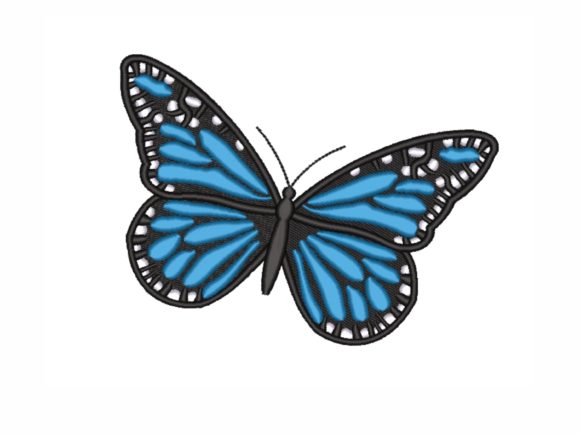
The immediate appeal of the Blue Butterfly lies in its fresh, vibrant aesthetic. Unlike some insect designs that lean too heavily into hyper-realism or overly complex detailing, this file offers a stylized approach that feels modern and versatile. The color palette suggests a natural elegance, making it suitable for spring collections, nursery decor, or uplifting apparel lines. Visually, the design carries a lightness that prevents it from feeling heavy or cumbersome on smaller items. For designers creating handmade products, this visual mood is crucial because it translates well across various demographics, from children's wear to adult home goods.
Evaluating Stitch Quality and Density
When considering any digital embroidery file for commercial use, stitch density is the first technical metric I examine. A design that looks beautiful on a monitor can become a puckered mess on fabric if the fill stitches are too dense. Based on the preview and typical standards for this style, the Blue Butterfly appears to utilize a balanced mix of satin stitch for the outlines and wing details, paired with strategic fill stitch areas to create depth without excessive bulk. This combination is ideal for maintaining the shape of the butterfly while ensuring the fabric remains pliable.
For those working with textured fabrics like towels or waffle weave, the reliance on satin columns rather than massive fill blocks is a significant advantage. It allows the design to sit on top of the texture rather than sinking in or causing registration issues. However, as with any new acquisition, I strongly advise running a test stitch-out on scrap fabric similar to your final material. This step confirms how the stitch density interacts with your specific machine tension and thread brand.
Ideal Applications for Commercial and Personal Use
The versatility of the Blue Butterfly makes it a strong candidate for a wide range of projects. Here is how I envision integrating this design into a product line:
- Custom Apparel: The fresh style works exceptionally well on sweatshirt embroidery, particularly on lightweight French terry where heavy designs might weigh down the drape. It also serves as a charming chest logo for t-shirts or a subtle accent on denim jackets.
- Tote Bag Design: Canvas totes are a staple for craft fairs. This butterfly adds a touch of nature-inspired art that elevates a simple bag into a boutique item. The contrast of blue thread against natural canvas creates a striking finished product.
- Nursery Decor: For baby blankets or wall hangings, the gentle curves and non-aggressive insect depiction make it perfect. It fits seamlessly into themes involving nature, gardens, and growth.
- Embroidered Patch: If you have the capability to cut and seal edges, this design could be adapted into an iron-on or sew-on patch, adding value to hats or backpacks.
- Kitchen Textiles: Aprons and tea towels benefit from the durability of the likely stitch structure. It transforms standard kitchen linens into giftable items.
Technical Considerations for Challenging Surfaces
While the design shows promise, practical application requires attention to detail, especially when working outside of standard cotton quilting weight fabric. If you plan to use the Blue Butterfly on stretchy fabrics like jersey knits, the choice of stabilizer becomes paramount. A cut-away stabilizer is often necessary to prevent the design from distorting after multiple washes. Similarly, for curved surfaces like caps, you must verify the hoop size compatibility. If the design spans a wide area, it may not fit standard cap frames without resizing, which could impact the clarity of small details.
Dark fabric presents another consideration. The blue tones in the design are likely optimized for light backgrounds. If stitching onto navy or black apparel, you may need to adjust the underlay settings or add a backing layer to ensure the thread colors pop effectively. Always compare light and dark fabric mockups before committing to a production run.
Enhancing Brand Value and Customer Engagement
In the competitive landscape of Etsy sellers and handmade shop owners, the quality of your design assets directly influences buyer trust. Using a polished, professional file like Blue Butterfly signals to customers that you care about the presentation of your personalized gift items. High-quality embroidery enhances product photography; the sheen of the satin stitches catches light beautifully in photos, increasing click-through rates on social media and marketplaces.
Furthermore, consistency in design quality helps build brand recognition. If your shop specializes in nature-themed goods, incorporating high-caliber insect designs reinforces your niche authority. Customers are more likely to engage with and purchase items that look professionally crafted rather than homemade in a hurried manner. This design supports that level of professionalism.
Final Verdict and Best Practices
The Blue Butterfly stands out as a reliable addition to a designer's library, offering a blend of aesthetic charm and functional utility. It is particularly well-suited for creators looking to expand their spring and summer collections with fresh, nature-inspired motifs. However, success with any Creative Fabrica embroidery file depends on due diligence.
Before launching a full production run, ensure you review the specific file details provided on the product page. Check for included formats to guarantee compatibility with your machine brand. Verify the licensing terms to confirm that your intended use, whether for unlimited personal gifts or commercial sales, is covered. Remember to inspect small details after your initial test stitch; look for any loose jumps or areas where the thread might break, and trim accordingly.
By treating this asset with the respect it deserves—testing thoroughly, choosing the right materials, and understanding its limitations—you can transform the Blue Butterfly from a simple download into a best-selling component of your creative business. Whether adorning a pillow cover or embellishing a custom jacket, this design has the potential to bring a flutter of excitement to your portfolio.